Running · 7 min read
Heat-Smart Morning Training in Malaysia
Malaysia rewards outdoor athletes with year-round daylight — and challenges them with humidity that can spike heart rate before the first kilometre. Whether you run lakeside loops in Kuala Lumpur, spin through Putrajaya, or hike Bukit Gasing on weekends, heat management is a skill, not an afterthought. This guide shows how to keep morning sessions productive without courting heat exhaustion.
Why tropical mornings still demand a plan
Even at 6 a.m., wet-bulb temperatures in the Klang Valley can feel heavier than cooler climates at midday. Sweat evaporates slowly, core temperature rises faster, and perceived effort climbs for the same pace. That is useful information, not a reason to quit — it means you should treat the first 20 minutes as a warm-up block, not a race.
Altitude and cloud cover help on highland weekends in Cameron Highlands or Fraser's Hill, but lowland city sessions need shade, fluids, and honest pacing. If you are new to outdoor sport here, start with our broader guides for running, cycling, and hiking so venue choice and gear basics sit alongside heat tactics.
Best start windows for KL and the Klang Valley
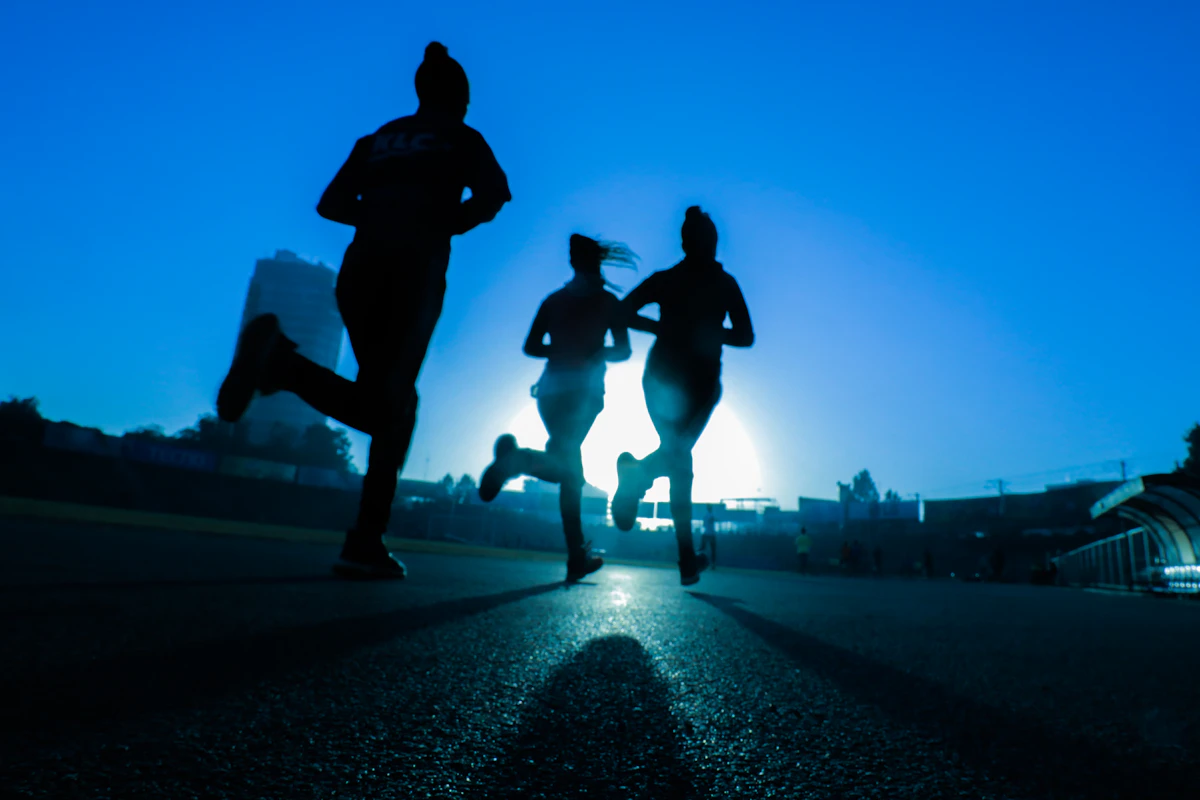
Aim to be moving by 5:30–6:30 a.m. when roads are quieter and the sun is still low. After sunrise, asphalt and concrete radiate heat quickly; by 8:30 a.m. many open routes feel punishing even for experienced athletes. Evening sessions after 7 p.m. work for some people, but visibility, traffic, and sleep schedules make mornings the cleaner default for most weekday training.
Weekend hikers should leave trailheads early for the same reason: afternoon thunderstorms arrive often, and ridgelines like Bukit Tabur or Penang Hill offer little escape once heat and humidity stack. Pack more water than you think you need, and turn around if someone in your group shows dizziness, confusion, or stops sweating despite heavy effort.
Hydration, electrolytes, and smart fueling
Drink a glass of water when you wake, then sip during efforts longer than 40–45 minutes. Plain water is enough for easy neighbourhood loops; for sweaty tempo runs, long bike rides, or multi-hour treks, add electrolytes so you replace sodium lost in heavy sweat. Avoid waiting until you feel thirsty — by then you are already behind in tropical conditions.
Keep breakfast light if you train soon after waking: a banana, toast, or a small oat serving usually sits better than a heavy meal. Save a fuller recovery meal for after the cool-down. Alcohol the night before and caffeine overload before a hard session both dehydrate; moderate coffee is fine for many athletes, but pair it with water.
Clothing and kit that beat humidity
Choose light-coloured, moisture-wicking tops and shorts. Cotton holds sweat against the skin, increases chafing, and feels heavier as the session goes on. A breathable cap or visor cuts glare without trapping as much heat as a thick beanie. Sunglasses help on open park paths where reflected light from water and pavement raises fatigue.
Runners and cyclists should prioritise ventilated shoes and socks designed for wet climates. Hikers benefit from quick-dry layers plus a compact rain shell — monsoon showers can drop without much warning even on otherwise clear mornings. Carry a small towel or buff to wipe sweat from your eyes rather than stopping every few minutes.
Shade-first routes that still count as training
In Kuala Lumpur, tree-lined loops around Perdana Botanical Gardens (Lake Gardens), Taman Tun Dr Ismail, and parts of Titiwangsa reduce radiant heat compared with exposed dual carriageways. Putrajaya lakeside paths and FRIM forest edges give cyclists and runners longer shaded stretches. Kepong Metropolitan Park and Desa ParkCity work well for easier family-paced efforts.
When you must use open roads, shorten the hard intervals, keep recovery easy, and face into any breeze on the way back. City car-free mornings are excellent practice for group cycling because you can focus on heat management and pack skills without constant traffic stress — still wear a helmet and lights if you ride before full daylight.
Pace by feel, not by cooler-climate ego
Heart-rate zones drift upward in heat and humidity. A pace that felt easy in temperate weather may sit in tempo territory here. Use perceived exertion and talk-test cues: if you cannot speak a short sentence, ease off. Build volume over weeks before chasing personal bests on flat roads in March–September heat.
Cross-training helps recovery. Alternate hard outdoor days with pool sessions or yoga so connective tissue and the nervous system reset while you stay active. Swimming is especially useful when air quality or extreme heat makes road work unwise — public pools across the Klang Valley stay cooler than asphalt at noon.
Warning signs you should not ignore
Stop and cool down if you notice pounding headache, nausea, chills, goosebumps in the heat, sudden weakness, or a racing heart that does not settle with walking. Move into shade, loosen clothing, sip fluids, and seek medical help if symptoms worsen. Heat illness can escalate quickly in Malaysia's climate, especially during Ramadan training adjustments or after travel from cooler countries.
Tell a friend your route and expected return time for solo trail days. Carry a charged phone. These habits matter as much as shoe choice — they turn an ambitious morning into a sustainable training lifestyle rather than a one-off risk.
Related sport guides
Common questions
- What time should I start outdoor training in Malaysia?
- Most athletes do best between 5:30 and 6:30 a.m. Finish hard efforts before the sun sits high. Evenings after 7 p.m. are a backup if mornings conflict with work.
- How much water do I need on a humid run?
- For easy runs under 45 minutes, pre-hydrate and sip afterward. Beyond that, carry fluid and consider electrolytes once you are sweating heavily for an hour or more.
- Where can I train with more shade in Kuala Lumpur?
- Lake Gardens, TTDI loops, Titiwangsa, and forest-edge venues such as FRIM offer better cover than open dual carriageways. Match the route to your session goal.
- Should I slow down compared with training abroad?
- Often yes. Humidity raises heart rate at the same pace. Use effort-based training for the first few weeks after arriving or returning to Malaysia.